
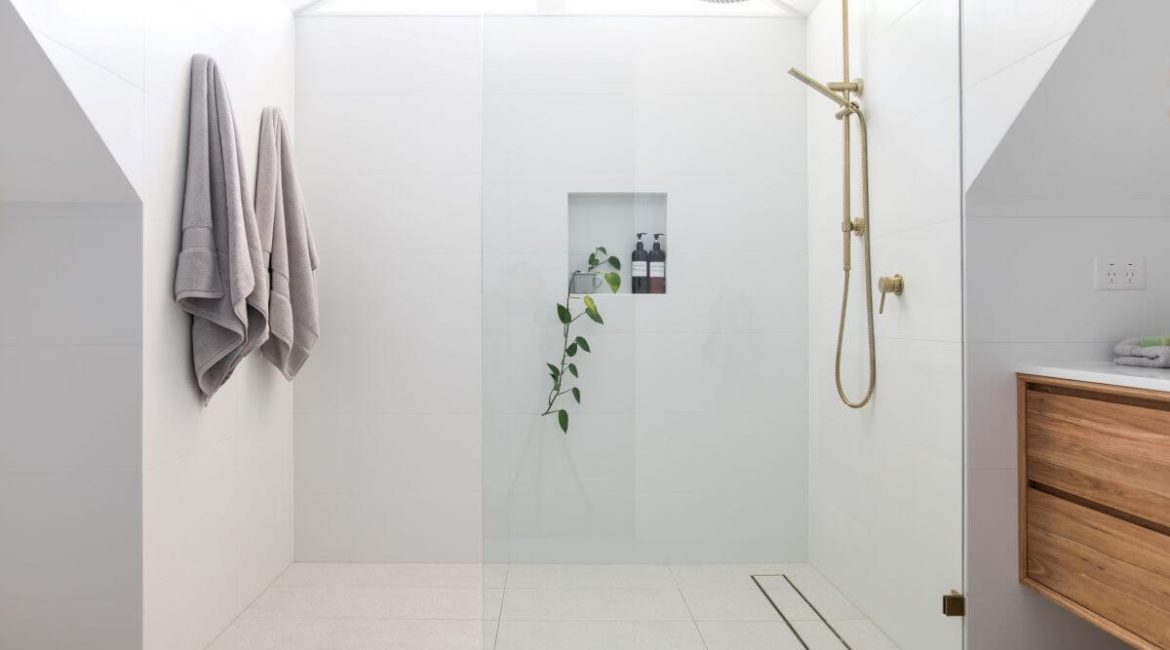
If you want a modern shower space, both a wet room and a walk-in shower can look sleek, open and premium. But they are not the same thing, and the right choice depends on your bathroom layout, floor construction, drainage, accessibility needs and budget. A wet room is a fully waterproofed showering environment with falls in the floor directing water to a drain. A walk-in shower is an open-access shower area, usually with a defined shower zone, often using a tray or a specifically formed shower floor, plus glass to control spray.
For many UK homes, a wet room is the stronger option when full level access, future-proofing and a seamless finish matter most. A walk-in shower is often the better choice when you want a stylish open shower area with simpler installation and better day-to-day splash containment. The best answer is not about trends. It is about how the room needs to function for the people using it.
What is the difference between a wet room and a walk-in shower?
A wet room turns all or most of the bathroom into a waterproofed zone. The floor is tanked, the walls in the wet area are protected, and the floor is formed to direct water into a drain. In a true wet room, the room itself is designed to cope with regular water exposure. Bathroom suitability for this kind of installation depends on floor construction depth, drainage positioning, waterproofing feasibility and plumbing access.
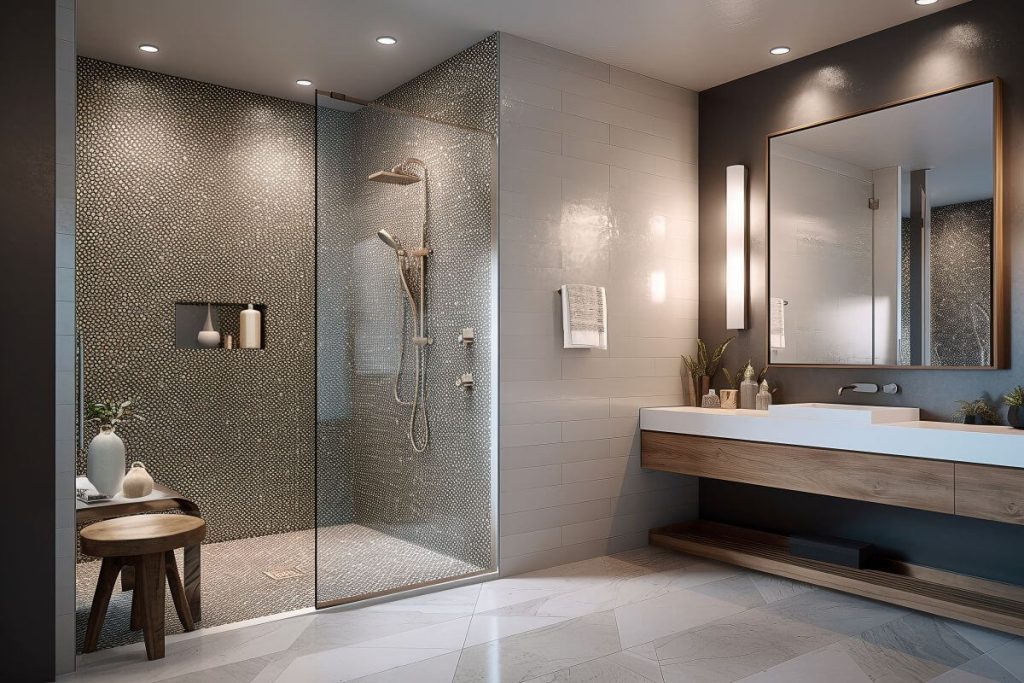
A walk-in shower creates an open showering area without a fully enclosed cubicle. It usually uses a fixed glass screen and a defined shower zone to manage spray. Some walk-in showers use a tray, while others use a flush or low-profile shower floor. The space feels open, but it is still more contained than a full wet room. A walk-in shower enclosure uses fixed glass panels to control water and relies on accurate measurements, proper waterproofing and correct gradient planning to perform well.
That distinction matters because wet room requires full waterproofing, while walk-in shower uses a defined shower area. In practice, that affects installation, drainage, cleaning, accessibility and cost.
When a wet room is the better choice
A wet room is often the better choice when level access is a priority. In England, Approved Document M includes installed level-access showers in wet-room settings as part of accessible dwelling guidance, which is why wet rooms are often considered for homes where accessibility or future mobility needs matter.
A wet room can also work very well in a small or awkward bathroom because it removes visual barriers and can make the room feel more open. There is no bulky tray edge and no full enclosure interrupting the floor line. When designed properly, open layout improves circulation space.
Wet rooms also suit households planning for long-term usability. The NHS notes that falls are more likely if a person is older or has mobility problems, and that changes to prevent falls can help people avoid injury and maintain independence. A step-free shower area can support safer access, although safety still depends on flooring choice, drainage performance, grab rails where needed, and overall design.
A wet room is usually the better fit if you want:
- full level access
- a seamless, minimal look
- a bathroom designed with future-proofing in mind
- a more open feeling in a compact room
- a properly tanked wet environment rather than a standard shower zone
When a walk-in shower is the better choice
A walk-in shower is often the better choice when you want a contemporary, open shower area without converting the entire room into a wet zone. It gives you a strong design feature, simpler visual lines and easier access than a standard enclosure, but it usually keeps water more contained than a full wet room.
For many standard bathroom renovations, a walk-in shower is the more practical option. It can often be integrated into an existing layout with fewer structural changes than a wet room, depending on the room, the drainage route and the floor build-up available. Floor depth affects installation method, and drain location influences shower layout.
A walk-in shower also tends to work well for households that want a clean, premium look but still prefer a more defined showering zone. The glass screen helps with spray management, and the rest of the room is easier to keep dry in everyday use. That matters in busy family bathrooms, where the shower area needs to be practical as well as attractive.
A walk-in shower is often the better fit if you want:
- an open, modern shower area
- easier integration into a standard bathroom renovation
- better splash control than a true wet room
- a stylish design with a clearly defined shower zone
- simpler day-to-day use in a shared family bathroom
Wet room vs walk-in shower: the key factors to compare
Accessibility
A wet room usually has the edge for accessibility because wet room supports step-free access. Approved Document M guidance for accessible dwellings specifically refers to installed level-access showers in wet-room contexts. That said, a walk-in shower can also be highly accessible when designed with low-threshold or level-access entry, adequate clear space, appropriate controls, and slip-resistant flooring. Accessibility depends on the design, not just the label.
Waterproofing
A wet room requires more extensive waterproofing. Tanking system protects walls and floors, and that protection usually extends beyond the immediate shower spray area. In a walk-in shower, waterproofing is still essential, but it is often more focused on the defined wet zone. If waterproofing is poor, moisture can escape into the building fabric and cause damage over time.
Drainage
Drainage is one of the biggest deciding factors. In a wet room, floor gradients direct water to the drain, and the whole floor has to work as part of the drainage strategy. In a walk-in shower, drainage is more localised to the shower area. Bathroom suitability for level-access installation depends on floor construction depth, waste positioning and the ability to form proper gradients.
Cleaning and maintenance
A wet room can be easier to clean because there are fewer tray edges, fewer enclosure parts and less framing to collect grime. On the other hand, a walk-in shower often keeps the rest of the room drier, which can make everyday maintenance feel easier in a multi-user bathroom. The cleaner option depends less on theory and more on how well the room is designed and used.
Design effect
A wet room creates the most seamless finish. The floor plane feels continuous, the room feels open, and the shower area becomes part of the overall design rather than a separate unit. A walk-in shower still gives a modern, architectural look, especially with frameless glass and large-format tiles, but it creates a more visually defined feature area. Open-glass layouts and wet-room-style integration are both recognised approaches in current walk-in shower design guidance.
Installation complexity
A wet room is generally more technically demanding because it asks more of the waterproofing, floor falls and drainage design. A walk-in shower can still require careful preparation, but it is often less disruptive where the bathroom structure is better suited to a defined shower zone than a fully tanked room.
Cost
In many cases, a wet room will cost more than a standard walk-in shower installation because it usually involves more waterproofing and more specialist floor and drainage work. Product pricing for walk-in shower components can vary significantly depending on tray, screen, glazing and finish specification, and installation complexity adds further cost. The exact difference depends on the room and the chosen products, so the right comparison is not a fixed number but a site-specific quotation.
Is your bathroom suitable for a wet room?
Not every bathroom is equally well suited to a wet room. Floor construction determines gradient feasibility, and waste position affects drainage performance. That is especially important upstairs, where floor depth and structural arrangement can limit what is possible without more extensive work. Bathroom suitability depends on floor construction depth, drainage positioning, available floor area, waterproofing feasibility and plumbing access.
A bathroom is more likely to suit a wet room if:
- the floor can accommodate proper falls to the drain
- drainage can be positioned effectively
- full tanking can be installed properly
- ventilation is good
- the household benefits from step-free access
- the client wants a true wet-room finish rather than just an open shower
Ventilation also matters because a room dealing with regular water exposure needs to manage moisture properly over time. That is true for any bathroom, but especially for a highly open wet environment.
Is your bathroom suitable for a walk-in shower?
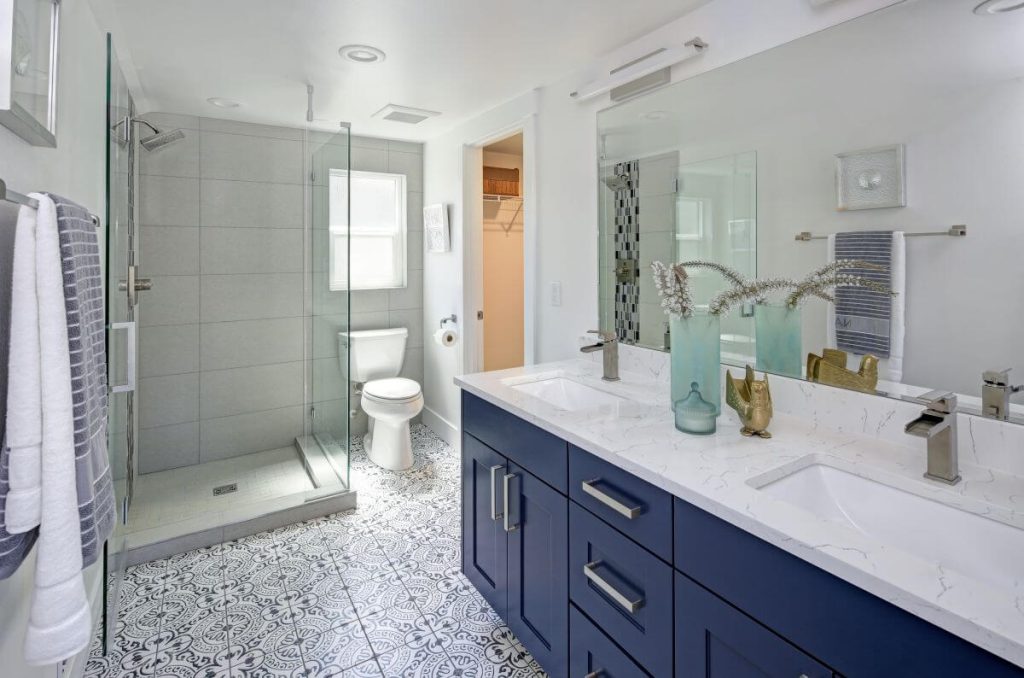
A walk-in shower suits many standard bathroom renovations because it gives you a contemporary, open result without requiring the whole room to perform like a wet room. It still needs careful planning around glass positioning, waterproofing, drainage and screen layout, but it is often easier to integrate into an existing room.
Design guidance for walk-in showers commonly treats around 1200 x 800 mm as a practical minimum and 1400 x 900 mm as a more comfortable size, though these are design recommendations rather than legal minimums. Standard UK tray and enclosure sizes vary widely, and the correct size depends on the room and the required clearances.
A bathroom is more likely to suit a walk-in shower if:
- you want an open feel without a full wet-room build
- the room has space for a defined showering zone
- splash management matters in day-to-day family use
- the drainage route suits a tray or formed shower area
- you want a modern result with less structural change than a full wet room
Wet room vs walk-in shower for UK homes: which gives better long-term value?
Long-term value depends on how the bathroom is used. If accessibility, future-proofing and level access are central to the project, a wet room may offer better long-term usability. If the priority is a clean, premium look with easier integration into a standard renovation, a walk-in shower may offer the stronger balance of style, practicality and cost control.
The real value is not in the label. It is in whether the finished bathroom works properly for the property, the users and the layout. Quality installation affects long-term performance, and that matters more than chasing a trend.
Our recommendation: choose based on how you use the bathroom
Choose a wet room if you want a fully waterproofed, step-free showering environment with strong accessibility benefits and a seamless finish.
Choose a walk-in shower if you want an open, modern shower area that is usually easier to integrate into a standard bathroom renovation and better at keeping the rest of the room dry.
In other words:
- wet room is best for level access, future-proofing, full-room waterproofing
- walk-in shower is best for modern design, easier integration, defined shower zone
The right answer depends on the room, the drainage, the floor structure and the people using the space every day.
Frequently asked questions
Is a wet room more expensive than a walk-in shower?
Often, yes. A wet room usually involves more waterproofing and more specialist drainage and floor work than a standard walk-in shower installation, which can increase the cost.
Can a small bathroom have a wet room?
Yes, in some cases a wet room can work very well in a small bathroom because it removes bulky barriers and creates a more open feel. The room still needs suitable drainage, waterproofing and floor construction.
Does a walk-in shower need a tray?
Not always. Some walk-in showers use a tray, while others use a flush or formed shower floor. The right solution depends on the design and the structure of the room.
Are wet rooms safer for older people?
They can be, especially where step-free access is important. But safety depends on the full design, including flooring, drainage, layout and any support features needed. NHS guidance notes that falls are more likely in older age or where mobility is affected, which is why safer access can matter.
Which is easier to clean: a wet room or a walk-in shower?
A wet room can be easier to clean because there are fewer edges, seals and frames. A walk-in shower may keep the rest of the bathroom drier, which some households find easier to manage day to day.
Planning a wet room or walk-in shower in Cheshire or South Manchester?
At William & Maurice, we design, supply and install bespoke bathrooms, wet rooms and walk-in shower spaces across Cheshire and South Manchester. If you are deciding between a wet room and a walk-in shower, the best place to start is with the room itself: its layout, drainage, floor construction and how you want it to work every day.
If you would like practical advice on the right option for your home, get in touch to discuss your bathroom project with William & Maurice.